Schedule a Visit
Regardless of whether you require general advice or specific support, we are happy to help you.
Regardless of whether you require general advice or specific support, we are happy to help you.

The manufacturing of precision tools and components using ultrahard materials has undergone significant transformation with the advent of laser processing technology. This comparative analysis examines the substantial differences between modern laser-based diamond processing systems and conventional methods, providing decision-makers with comprehensive data to guide equipment investments.
Lab-grown diamond materials, including Polycrystalline Diamond (PCD), Cubic Boron Nitride (CBN), and Chemical Vapor Deposition (CVD) diamond, have emerged as critical components across multiple industrial sectors due to their exceptional hardness, wear resistance, and thermal conductivity properties.

In the 3C (Computer, Communication, Consumer Electronics) industry, PCD, PCB, and CVD tools are primarily utilized for finishing operations on light, short, and small product shells and internal precision components such as mobile phones, tablet computers, and electronic watches. The precision requirements for these applications demand tooling materials capable of maintaining edge quality while processing complex contours.
Similarly, the automotive sector extensively employs PCD, CBN, carbide, and ceramic materials for finishing key components in engines, gearboxes, and brake systems. These materials significantly improve workpiece efficiency and accuracy while ensuring surface quality standards are maintained.
The superhard material market continues to expand as manufacturing tolerances become increasingly stringent. Traditional processing methods often struggle to efficiently shape these ultrahard materials, creating substantial market opportunity for advanced processing technologies.
Direct cost comparison between conventional Electrical Discharge Machining (EDM) and laser-based processing reveals significant operational advantages for laser systems:
Operational Expense Comparison:
| Application Parameters | EDM Machines | 5-axis Laser CNC | Advantage |
|---|---|---|---|
| Total floor area | 10m² | 6m² | 40% space reduction |
| Electricity consumption | 4.5 kWh/h (8h/day) | 2.5 kWh/h (8h/day) | 44% energy savings |
| Consumables | Copper wheel: 10 Yuan/h | None required | 100% reduction |
| Coolant/compressed gas | 2 Yuan/h | 5 Yuan/h | Higher for laser |
| Site cost per month | 2,300 Yuan | 1,380 Yuan | 40% cost reduction |
| Total monthly cost | 4,190 Yuan | 1,956 Yuan | 53% cost savings |
Processing efficiency presents an equally compelling case for laser technology. In a documented example processing a trapezoidal flat tooth saw blade (diameter 500mm with 120 teeth), EDM required 24 hours while the laser CNC machine completed the same task in only 8 hours. This represents a 3x improvement in production throughput.
OPMT’s advanced laser systems consistently demonstrate processing speeds 200% faster than EDM with 50% lower costs per unit. This efficiency gain is particularly valuable when processing PCD tools, as laser finishing can achieve rates up to 3.0 mm/min with exceptional edge quality.
The environmental advantages of laser-based diamond processing are substantial when compared to traditional methods:
Environmental Factor Comparison:
| Environmental Factor | Traditional Methods | Laser Technology | Advantage |
|---|---|---|---|
| Chemical usage | Strong acids required | None required | Elimination of hazardous chemicals |
| Waste production | Chemical pollution | Dust filtration systems | Significant reduction in harmful waste |
| Resource consumption | High water usage, consumable tools | No water cooling, no consumables | Resource conservation |
| Precision/material waste | Variable accuracy, higher scrap rate | Consistent 0.003mm accuracy | Less material waste |
Traditional chemical texturing methods produce side etching and edge effects, resulting in poor 3D effects and rough textures. These processes typically involve harsh chemicals that require specialized disposal protocols and create workplace hazards.
In contrast, OPMT’s laser systems utilize advanced dust-pelletizing systems that capture particulate matter without chemical waste generation. This elimination of chemical consumables not only reduces environmental impact but also simplifies regulatory compliance and workplace safety protocols.
The precision of laser processing (consistent accuracy of 0.003mm) further reduces material waste through lower rejection rates and optimized material usage. This precision is particularly valuable when processing expensive diamond materials.
OPMT’s advanced laser machining systems deliver multiple technical advantages over conventional diamond processing methods:
Superior Edge Quality: Unlike EDM processes that can produce chips and cracks at cutting edges (increasing costs and extending processing time), laser technology creates perfect cutting edges without compromised structural integrity.
Processing Non-Conductive Materials: Laser systems can effectively process poor conductivity materials like large-particle polycrystalline diamond that cause “wire skipping” issues with EDM technology.

OPMT LightGRIND LT20 Dual-Laser Configuration:
The integration of advanced NUM CNC control systems enables maximum operational ease and process reliability. These open universal CNC systems support up to 32 axes/spindles per NCK (Numerical Control Kernel) and are fully compatible with RTCP (Rotational Tool Center Point) technology.
OPMT’s proprietary GTR cutting tools software provides an accessible transition from EDM to laser machining through:
When selecting an optimal diamond processing system, consider these critical specifications based on application requirements:
For 3C Industry Applications (Light 5X 40V):
For Automotive Applications (Light 5X 60V):
For High-Volume Diamond Grinding (LightGRIND LT20):
For CVD Diamond Surface Processing (DiaCUT L315V):
When evaluating systems, prioritize machines with:
The comparison between laser-based diamond processing and traditional methods clearly demonstrates the significant advantages of advanced laser technology in terms of cost efficiency, environmental sustainability, and technical capability. OPMT’s comprehensive range of laser machining solutions provides manufacturers with reliable, high-precision alternatives to conventional processing methods across multiple applications and industries.
As manufacturing requirements continue to advance in precision and complexity, laser-based diamond processing systems represent not only a technological upgrade but a strategic investment in production capability, efficiency, and environmental responsibility.
Disclaimer
This content is compiled by OPMT Laser based on publicly available information for reference only; mentions of third-party brands and products are for objective comparison and do not imply any commercial association or endorsement.
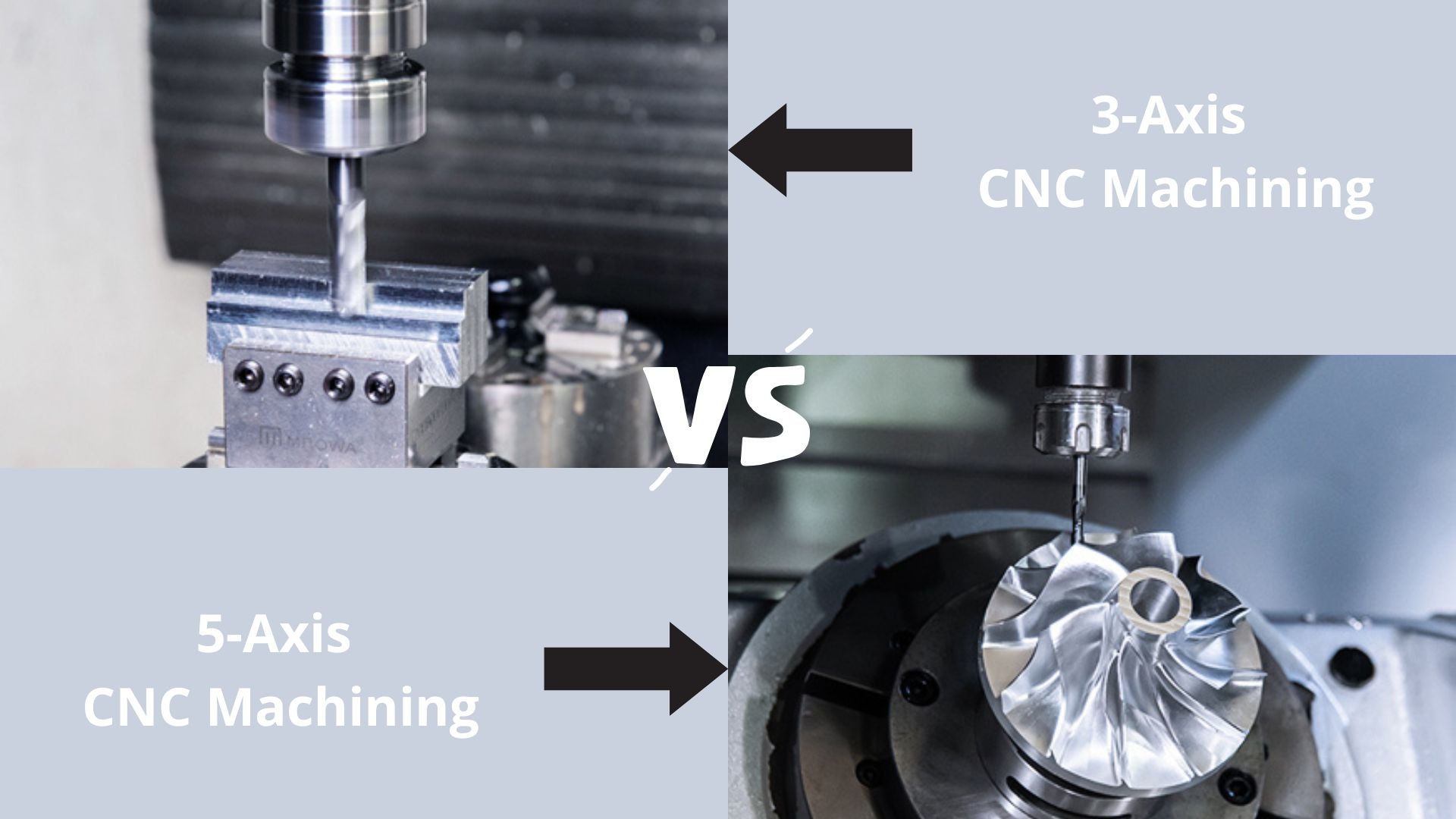
Explore the world of CNC machining as we compare 3-axis and 5-axis technologies. From basic operations to complex geometries, find out which machine suits your manufacturing needs in 2025.
Explore OPMT’s proven 5-phase ODM process for custom laser systems. ISO-certified manufacturing, ±0.003mm precision, IP protection. Submit project requirements today.
Looking for the best 5-axis CNC machining center suppliers? Check our top 10 list for expert insights and find the perfect fit for your needs!
Explore the top 10 laser metal cutting machines of 2025, featuring industry leaders like Trumpf, Bystronic, and OPMT Laser. Compare cutting-edge technology, precision, and efficiency to find the perfect solution for your manufacturing needs.

Please fill in your contact information to download the PDF.


