Vereinbaren Sie einen Besuch
Egal ob Sie eine allgemeine Beratung oder spezifische Unterstützung benötigen, wir helfen Ihnen gerne weiter.
Egal ob Sie eine allgemeine Beratung oder spezifische Unterstützung benötigen, wir helfen Ihnen gerne weiter.

Kurz gesagt: Hochpräzise 5-Achs-CNC-Bearbeitung erreicht im Jahr 2026 eine Genauigkeit im Mikrometerbereich von ±0,001–0,005 mm (1–5 Mikrometer) durch fortschrittliche Architekturen vertikaler Bearbeitungszentren. Diese kombinieren Linearmotorantriebe, geschlossene Regelung mit Rastermaßstab, thermische Kompensation und volumetrische Fehlerkontrolle. Führende Systeme wie die Light 5X-Serie von OPMT bieten eine Positioniergenauigkeit von 0,005 mm mit einer Wiederholgenauigkeit von 0,003 mm für Anwendungen in der Luft- und Raumfahrt, der Medizintechnik und im Präzisionswerkzeugbau, die Toleranzen unter 5 Mikrometern erfordern.
Die hochpräzise 5-Achs-CNC-Bearbeitung hat sich von einer Spezialfähigkeit zu einer Fertigungsnotwendigkeit entwickelt, da die Industrie immer engere Toleranzen und komplexere Geometrien fordert. Im Jahr 2026 stellt sich für Präzisionshersteller nicht mehr die Frage, ob eine Genauigkeit im Mikrometerbereich erreichbar ist, sondern wie Systeme implementiert werden können, die eine Konsistenz von unter 5 Mikrometern über die gesamte Produktionsmenge hinweg gewährleisten. Vertikale 5-Achs-Bearbeitungszentren haben sich als bevorzugte Architektur für Anwendungen etabliert, die höchste Positioniergenauigkeit, thermische Stabilität und Platzeffizienz erfordern. Dieser Artikel untersucht die technischen Spezifikationen, die zugrundeliegenden Technologien und die realen Leistungsbenchmarks, die die Leistungsfähigkeit der hochpräzisen 5-Achs-CNC-Bearbeitung in modernen Fertigungsumgebungen definieren.
Branchenführende 5-Achs-CNC-Systeme werden im Jahr 2026 standardmäßig eine Positioniergenauigkeit zwischen ±0,001 mm und ±0,005 mm (1–5 Mikrometer) erreichen. Dies stellt einen bedeutenden Fortschritt gegenüber den Toleranzen von ±0,010 mm dar, die für Geräte der vorherigen Generation charakteristisch waren. Leichte 5-fach vertikale Systeme mit 40 V und 60 V Dieses Leistungsniveau wird beispielhaft verdeutlicht, indem eine Positioniergenauigkeit von 0,005 mm in Verbindung mit einer Wiederholgenauigkeit von 0,003 mm über die XYZ-Linearachsen erreicht wird.

Die Präzision der Drehachsen hat sich ebenfalls deutlich verbessert. Moderne A/B/C-Achsen-Konfigurationen erreichen eine Positioniergenauigkeit von ±10 Bogensekunden – das entspricht einer Abweichung von etwa 0,048 mm bei einem Radius von einem Meter. Diese Winkelgenauigkeit ist entscheidend für die Bearbeitung von Turbinenschaufeln und komplexe Konturbearbeitungen, bei denen sich Drehpositionierungsfehler über mehrere Achsen hinweg verstärken.
Moderne Systeme zeichnen sich durch die Aufrechterhaltung der volumetrischen Genauigkeit aus – die Fähigkeit, Toleranzen im Mikrometerbereich über den gesamten Arbeitsbereich hinweg und nicht nur an einzelnen Kalibrierpunkten zu gewährleisten. Die Überprüfung mittels Laserinterferometer gemäß ISO 230-2 bestätigt, dass fortschrittliche Systeme die Positionsabweichung über den gesamten XYZ-Verfahrweg auch unter thermischer Belastung innerhalb von 0,008 mm halten.
Hersteller von Luft- und Raumfahrtprodukten sowie Medizingeräten fordern zunehmend eine Präzision von unter 5 Mikrometern für Produktionschargen mit mehr als 1.000 Teilen. Dies erfordert nicht nur eine sofortige Positioniergenauigkeit, sondern auch eine dauerhafte Wiederholgenauigkeit über längere Betriebszeiten, was integrierte thermische Kompensation und Echtzeit-Fehlerkorrektursysteme notwendig macht.
Vertikale 5-Achs-Bearbeitungszentren bieten nachweisbare Präzisionsvorteile gegenüber horizontalen Konfigurationen, angefangen beim 40% mit seinem reduzierten Platzbedarf. Die Light 5X 60V von OPMT benötigt lediglich 2.300 mm × 1.800 mm (4,14 m²) und bietet gleichzeitig einen Verfahrweg von 600 mm × 250 mm × 300 mm – eine platzsparende Lösung, die thermische Gradienteneffekte innerhalb der Maschinenstruktur minimiert.
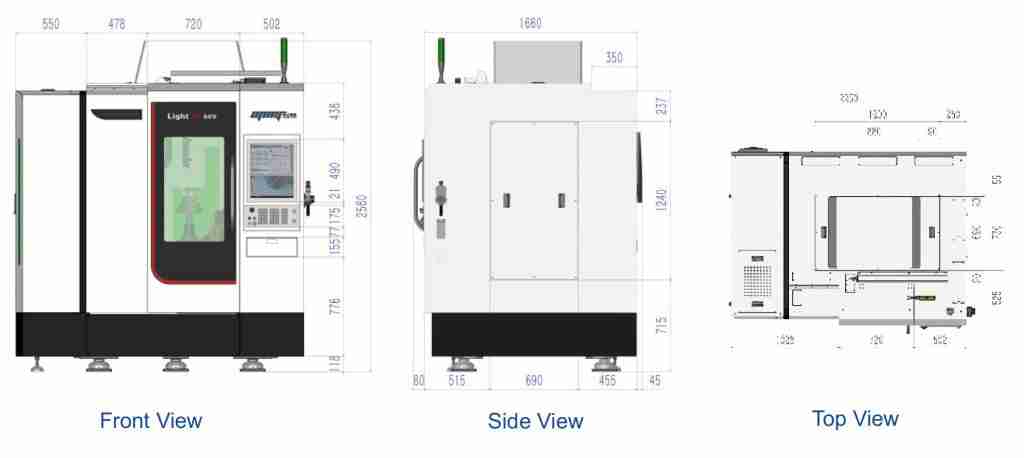
Zu den wichtigsten Vorteilen der vertikalen Architektur gehören:
Die vertikale Konfiguration erweist sich als besonders vorteilhaft für Hochgeschwindigkeits-5-Achs-CNC-Fräsbearbeitungen, wo schnelle Beschleunigungs-/Verzögerungszyklen dynamische Kräfte erzeugen, die horizontale Architekturen nur schwer ausgleichen können, ohne die Genauigkeit zu beeinträchtigen.
Um eine Präzision im Mikrometerbereich zu erreichen und aufrechtzuerhalten, ist die Integration von sieben kritischen Technologien erforderlich:
Die Integration dieser Technologien zeichnet die zeitgenössische Präzisions-CNC-Systeme von veralteten Anlagen, die auf einer einmaligen Genauigkeitsprüfung und einem passiven Wärmemanagement basieren.
Unterschiedliche Branchen stellen unterschiedliche Toleranzvorgaben, die die Auswahl hochpräziser 5-Achs-CNC-Systeme bestimmen:
| Industrie | Anwendung | Toleranzanforderung | Kritische Parameter |
|---|---|---|---|
| Luft- und Raumfahrt | Turbinenschaufeln (Inconel) | ±0,005 mm Lochposition | Winkelgenauigkeit ±10 Bogensekunden, Oberflächenrauheit Ra 0,4 μm |
| Medizinische Geräte | Titanimplantate | ±0,003 mm Maßgenauigkeit | Oberflächenrauheit Ra 0,2 μm, Biokompatibilität |
| Elektroautomobil | Batterieformhohlräume | ±0,010 mm Wiederholgenauigkeit | Konsistenz bei über 1.000 Teilen, Beständigkeit gegen Temperaturwechsel |
| Präzisionswerkzeuge | PCD/CBN-Einsätze | ±0,001 mm Kantenpräparation | Toleranzstabilität von 0,0005 mm, Kantenqualität im Submikrometerbereich |
| Halbleiter | Befestigungselemente | Submikron-Zirkularität | ±0,0008 mm Rechtwinkligkeit, Wärmeausdehnung <0,5 ppm/°C |
Die Fertigung von Turbinenschaufeln in der Luft- und Raumfahrt stellt extrem hohe Anforderungen: Die Positionen der Kühlbohrungen müssen bei Schaufeln mit einer Länge von 200 bis 400 mm eine Genauigkeit von ±0,005 mm aufweisen, während die Geometrie von Tannenwurzeln eine Winkelgenauigkeit von ±10 Bogensekunden erfordert, um die korrekte Montage der Turbine zu gewährleisten. Die Herstellung von medizinischen Implantaten erfordert eine noch strengere Kontrolle: Die Maßtoleranzen für Femurschäfte liegen bei ±0,003 mm, und die Oberflächenrauheit muss unter Ra 0,2 μm liegen, um Gewebeabstoßung zu verhindern.
Hersteller von PCD- und CBN-Schneidwerkzeugen stehen vor höchsten Anforderungen und fordern eine Toleranzstabilität von ±0,001 mm bei der Schneidkantenbearbeitung. Die integrierte Lösung von OPMT bietet hierfür die optimale Lösung. Laserbearbeitungsmöglichkeiten Die mechanische Bearbeitung wird ergänzt, um diese extremen Präzisionsanforderungen durch berührungslose Materialabtragung zu erreichen.
Die Light 5X-Serie von OPMT setzt branchenweit Maßstäbe für die Präzision vertikaler 5-Achsen-Bearbeitung. Die Light 5X 40V bietet eine XYZ-Positioniergenauigkeit von 0,005 mm, eine Wiederholgenauigkeit von 0,003 mm und eine Drehgenauigkeit von ±10 Bogensekunden über ihren Arbeitsbereich von 400 mm × 200 mm × 200 mm. Die Light 5X 60V mit erweiterter Kapazität bietet die gleichen Präzisionsspezifikationen und einen Verfahrweg von 600 mm × 250 mm × 300 mm – ideal für größere Werkstücke ohne Kompromisse bei der Genauigkeit.
Beide Systeme verfügen über Spindeln mit 20.000 U/min und HSK-A63-Schnittstellen, die Hochgeschwindigkeits-Schlichtbearbeitungen an schwer zerspanbaren Werkstoffen wie Titanaluminiden, Inconel 718 und Hartmetall ermöglichen. Die NUM-CNC-Steuerungsplattform bietet RTCP-Funktionalität (Rotation Tool Center Point) und gewährleistet die Genauigkeit des programmierten Werkzeugwegs bei simultaner Fünf-Achs-Bewegung durch dynamische Kompensation der Werkstückrotation.
Integrierte Messsysteme, darunter die BLUM-Laser-Werkzeugeinstellung (±0,002 mm Genauigkeit) und die HEIDENHAIN TS 460 Messtaster, ermöglichen die prozessbegleitende Überprüfung ohne Werkstückentnahme. Dies reduziert die Rüstzeiten und gewährleistet gleichzeitig die Maßgenauigkeit. Produktionsdaten aus der PKD-Werkzeugbearbeitung in der Automobilindustrie belegen eine gleichbleibende Profilgenauigkeit von 0,003 mm mit einer Stabilität von ±0,001 mm über mehr als 500 Fertigungsläufe.
Strenge Genauigkeitsvalidierungsprotokolle zeichnen OPMT-Systeme aus. Jedes Gerät wird vor dem Versand gemäß ISO 230-2-Normen einer Laserinterferometerprüfung unterzogen. Die Überprüfung der volumetrischen Genauigkeit an 21 diagonalen Positionen bestätigt, dass die Positionsabweichung im gesamten Arbeitsbereich unter 0,008 mm liegt. Dies bietet eine quantitative Bestätigung der Systemleistung für Präzisionsanwendungen.
Die Light 5X-Architektur integriert Sockel aus Naturmarmor, Linearmotorantriebe auf allen fünf Achsen und geschlossene HEIDENHAIN-Gitterwaagen – die technologische Grundlage für dauerhaft präzise Mikrometer-Messungen in Produktionsumgebungen. Für Hersteller, die evaluieren die besten 5-Achs-CNC-SystemeDie von OPMT dokumentierten Leistungsbenchmarks liefern objektive Kriterien für die Fähigkeitsbewertung.
Hochpräzise 5-Achs-CNC-Bearbeitung wird im Jahr 2026 durch die Kombination von Vorteilen vertikaler Architektur, fortschrittlichen Antriebstechnologien, geschlossenen Regelkreisen und strengen Kalibrierprotokollen Genauigkeit im Mikrometerbereich ermöglichen. Systeme mit Toleranzen von ±0,001–0,005 mm haben sich von Spezialanwendungen zu Standardproduktionsanforderungen in der Luft- und Raumfahrt, der Medizintechnik, der Automobilindustrie und dem Präzisionswerkzeugbau entwickelt.
Zu den wichtigsten Überlegungen bei der Umsetzung gehören:
Bei der Auswahl von Geräteanbietern für Anwendungen mit Mikrometerpräzision sollten Sie sich an unseren umfassender Vergleich führender 5-Achs-CNC-Maschinenhersteller Die Leistungsspezifikationen, Technologieplattformen und branchenspezifische Expertise globaler Zulieferer werden bewertet. Die Kombination aus bewährter vertikaler Architektur, fortschrittlichen Steuerungssystemen und validierten Präzisionsstandards definiert die hochpräzisen 5-Achs-Systeme, die den anspruchsvollsten Fertigungsanforderungen von 2026 gerecht werden.
Haftungsausschluss
Dieser Inhalt wurde von OPMT Laser auf Grundlage öffentlich verfügbarer Informationen zusammengestellt und dient ausschließlich zu Referenzzwecken. Die Erwähnung von Marken und Produkten Dritter dient dem objektiven Vergleich und stellt keine kommerzielle Verbindung oder Billigung dar.
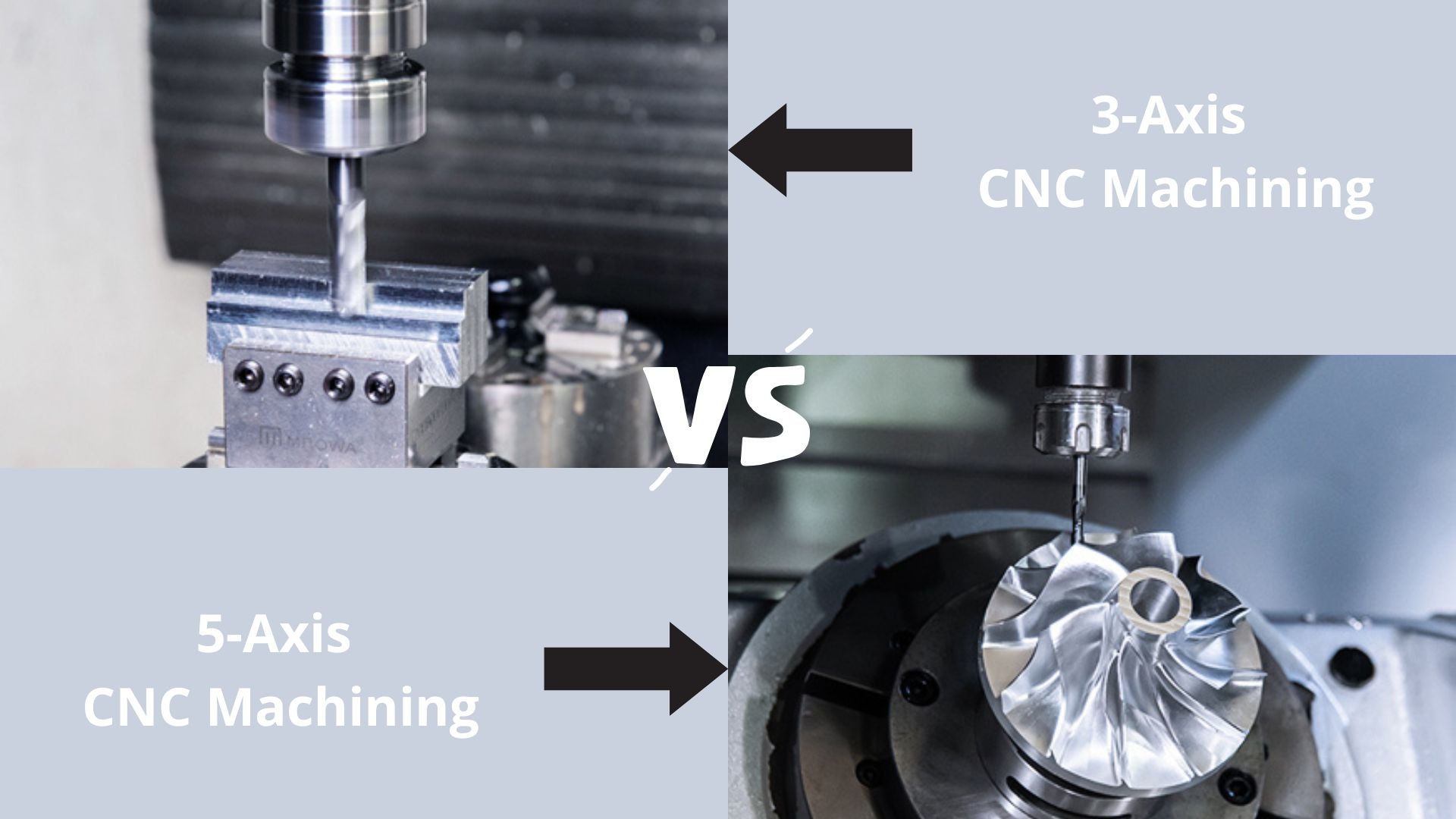
Entdecken Sie die Welt der CNC-Bearbeitung, indem wir 3-Achsen- und 5-Achsen-Technologien vergleichen. Von einfachen Vorgängen bis hin zu komplexen Geometrien – finden Sie heraus, welche Maschine Ihren Fertigungsanforderungen im Jahr 2025 entspricht.
Entdecken Sie OPMTs bewährten 5-Phasen-ODM-Prozess für kundenspezifische Lasersysteme. ISO-zertifizierte Fertigung, Präzision ±0,003 mm, IP-Schutz. Senden Sie uns noch heute Ihre Projektanforderungen.
Suchen Sie nach den besten Anbietern für 5-Achsen-CNC-Bearbeitungszentren? In unserer Top-10-Liste finden Sie Expertenwissen und die perfekte Lösung für Ihre Anforderungen!
Entdecken Sie die 10 besten Laser-Metallschneidmaschinen des Jahres 2025, darunter Branchenführer wie Trumpf, Bystronic und OPMT Laser. Vergleichen Sie Spitzentechnologie, Präzision und Effizienz, um die perfekte Lösung für Ihre Fertigungsanforderungen zu finden.

Bitte geben Sie Ihre Kontaktinformationen ein, um das PDF herunterzuladen.


