Schedule a Visit
Regardless of whether you require general advice or specific support, we are happy to help you.
Regardless of whether you require general advice or specific support, we are happy to help you.

When it comes to choosing a diamond, you might find yourself grappling with some important questions:
Are lab-grown diamonds truly authentic?
How do they compare to their natural counterparts?
What factors should you weigh when making your choice?
You’re not alone—over 70% of consumers are curious about the differences between lab-grown and natural diamonds. This article promises to clarify these distinctions and help you navigate your options with confidence.
We’ll discuss the characteristics, benefits, and potential drawbacks of both types, ensuring you have all the information you need to make a choice that feels right for you.
So, grab your favorite beverage and let’s embark on this enlightening journey together!

Lab-grown diamonds, often referred to as lab-created or synthetic diamonds, are authentic diamonds produced in controlled laboratory environments. These diamonds are created using advanced technology that replicates the natural conditions under which diamonds form in the Earth’s mantle. As a result, lab-grown diamonds are chemically, physically, and optically identical to their natural counterparts.
Lab-grown diamonds are primarily produced through two advanced methods:
Lab-grown diamonds can be produced significantly faster than natural diamonds, which take billions of years to form. The creation process can take anywhere from one week to several weeks depending on the method used and the desired size:
Lab-grown diamonds are not imitations; they are genuine diamonds with the same hardness (10 on the Mohs scale), brilliance, and clarity as natural diamonds. The main distinction lies in their origin—lab-grown diamonds are created in weeks rather than formed over millions of years. While gemologists can sometimes identify lab-grown diamonds using specialized equipment that detects subtle differences in growth patterns or inclusions, visually and chemically, they are indistinguishable from mined diamonds.
One significant advantage of lab-grown diamonds is their reduced environmental impact compared to traditional diamond mining. They require less land disruption and resource extraction. Additionally, lab-grown diamonds are generally more affordable—often costing up to 85% less than natural diamonds—making them an attractive option for budget-conscious consumers seeking ethical choices in jewelry.
Absolutely!
Lab-grown diamonds are indeed real diamonds. They possess the same chemical, physical, and optical properties as natural diamonds, making them indistinguishable without specialized equipment. Both types share a pure carbon structure, ensuring that when tested, lab-grown diamonds register as genuine diamonds.
Lab-grown diamonds are produced through advanced technologies that replicate the natural conditions under which diamonds form. The two primary methods used are:
These processes enable lab-grown diamonds to be created in just a few weeks compared to the billions of years required for natural diamonds.
Lab-grown diamonds offer several significant advantages:
The popularity of lab-grown diamonds has surged, particularly among younger consumers who value sustainability and ethical sourcing. Approximately 66% of millennials and Gen Z shoppers express interest in lab-grown options for engagement rings due to their affordability and reduced environmental impact.
While lab-grown diamonds are real and share all essential characteristics with natural diamonds, they generally have lower resale value because they can be produced in abundance compared to the limited supply of natural diamonds.
Here’s where it gets interesting.
Lab-grown diamonds are often touted as more environmentally friendly than mined diamonds.
Consider These Points:
As we move into 2025, consumer preferences are shifting.
People are becoming more aware of the ethical implications of their purchases.
This shift is driving an increase in demand for lab-grown diamonds.
When deciding which type of diamond is right for you, consider these factors:
In the end, whether you choose a lab-grown or natural diamond depends on what matters most to you.
Both types have their unique benefits and charm.
So take your time, do your research, and choose what feels right for you!
Disclaimer
This content is compiled by OPMT Laser based on publicly available information for reference only; mentions of third-party brands and products are for objective comparison and do not imply any commercial association or endorsement.
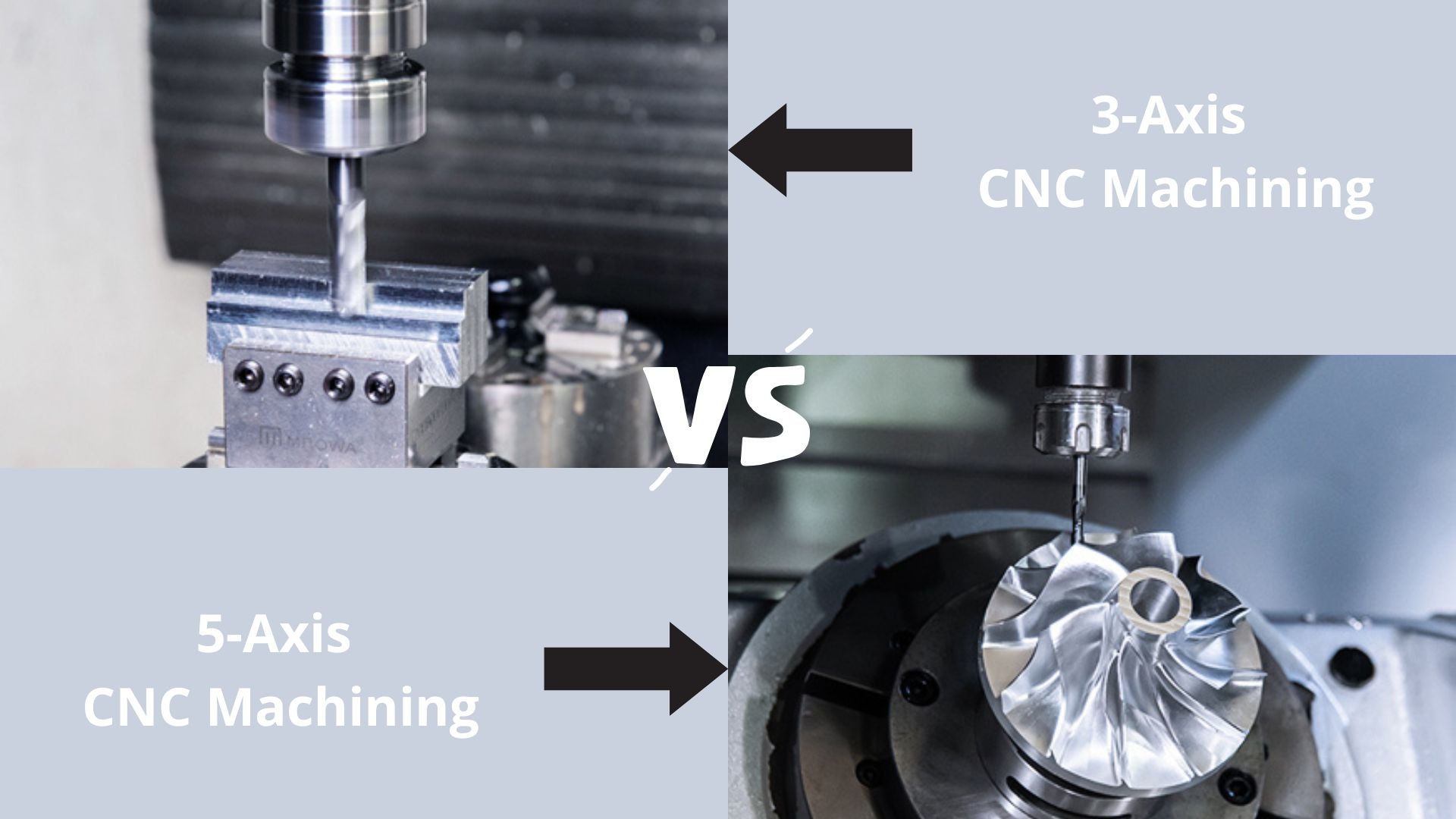
Explore the world of CNC machining as we compare 3-axis and 5-axis technologies. From basic operations to complex geometries, find out which machine suits your manufacturing needs in 2025.

Explore OPMT’s proven 5-phase ODM process for custom laser systems. ISO-certified manufacturing, ±0.003mm precision, IP protection. Submit project requirements today.

Looking for the best 5-axis CNC machining center suppliers? Check our top 10 list for expert insights and find the perfect fit for your needs!
Explore the top 10 laser metal cutting machines of 2025, featuring industry leaders like Trumpf, Bystronic, and OPMT Laser. Compare cutting-edge technology, precision, and efficiency to find the perfect solution for your manufacturing needs.

Please fill in your contact information to download the PDF.


